

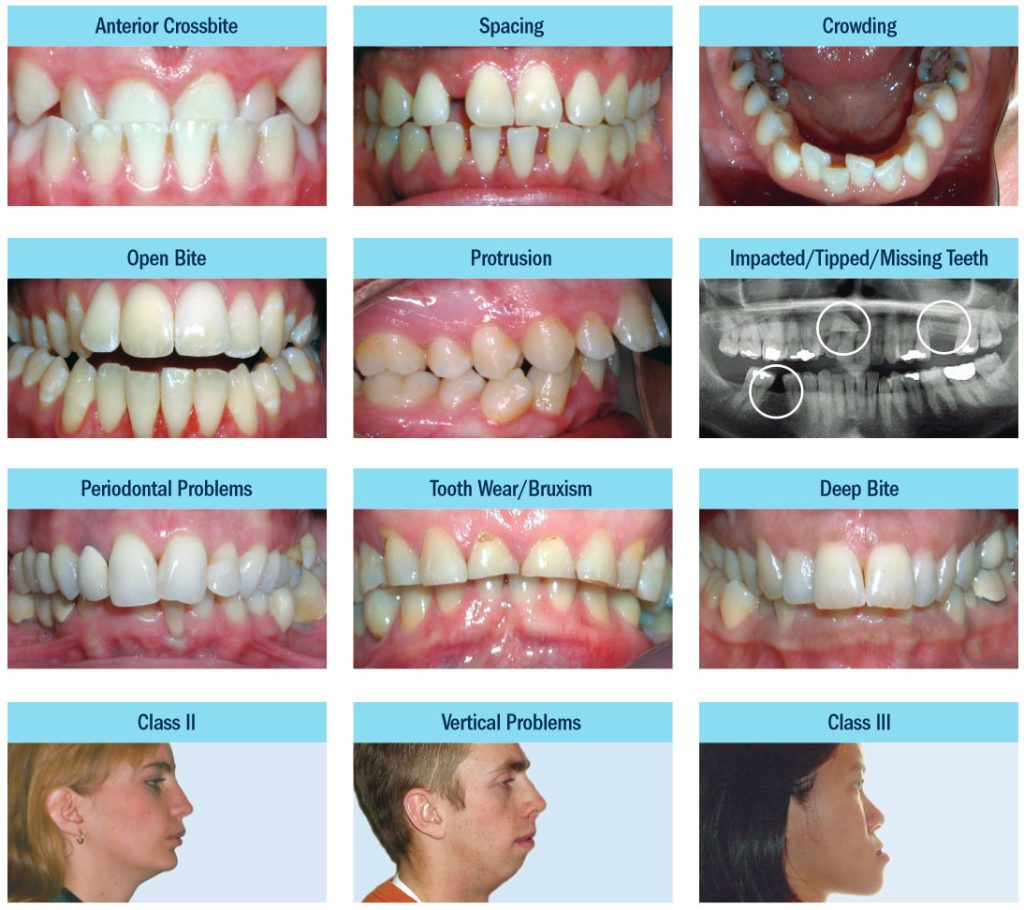
A perfectly aligned smile isn’t just about straight teeth—it’s also about how your jaws fit together. Jaw alignment plays a crucial role in chewing, speaking, facial symmetry, and overall oral health. Misaligned jaws can lead to discomfort, headaches, uneven wear on teeth, and even long-term jaw joint problems. Fortunately, orthodontists are specialists in addressing these issues, providing solutions that improve both function and appearance.
Understanding Jaw Alignment
Jaw alignment, also known as occlusion, refers to how the upper and lower jaws meet when the mouth closes. When the jaws don’t line up properly, it can result in a range of problems:
-
Overbite: Upper jaw extends too far over the lower jaw
-
Underbite: Lower jaw protrudes past the upper jaw
-
Crossbite: Upper and lower teeth do not align properly side-to-side
-
Open bite: Front teeth do not touch when the mouth is closed
These conditions are more than cosmetic concerns—they affect daily functions like chewing, speaking, and even breathing in severe cases.
Why Proper Alignment Matters
Proper jaw alignment ensures even distribution of pressure when biting, reduces stress on teeth and jaw joints, and contributes to overall facial harmony. Misalignment, if left untreated, can lead to chronic pain, tooth damage, and temporomandibular joint (TMJ) disorders.
1. Diagnosing Jaw Alignment Issues
Orthodontists are trained to identify subtle misalignments that may not be immediately noticeable. During an initial consultation, they will:
-
Conduct a visual examination of the teeth, jaw, and bite
-
Take X-rays or 3D scans to assess bone structure
-
Evaluate jaw movement and bite patterns
-
Discuss symptoms such as jaw pain, headaches, or difficulty chewing
Early diagnosis is crucial, as some jaw alignment issues are easier to correct when detected in childhood, while others can still be treated effectively in adults.
2. Using Braces to Correct Jaw Position
Traditional braces are not just for straightening teeth—they also play a role in jaw alignment.
How It Works
Braces apply gentle, consistent pressure to teeth, gradually guiding them into proper positions. By moving the teeth strategically, orthodontists can improve the way the jaws meet, addressing overbites, underbites, and crossbites.
Benefits
-
Enhances bite function
-
Reduces uneven wear on teeth
-
Improves facial symmetry
-
Provides long-term oral health benefits
Braces are particularly effective in younger patients, but adults can also achieve significant improvements.
3. Clear Aligners for Jaw Alignment
Clear aligners have become a popular alternative to braces, offering a discreet and flexible option.
How Aligners Help
Aligners are designed to move teeth incrementally, correcting bite issues along the way. Many aligner systems can also incorporate attachments or elastics to target jaw alignment, making them suitable for mild to moderate misalignment.
Advantages
-
Removable for easier eating and cleaning
-
Comfortable with smooth edges
-
Almost invisible, making them ideal for adults concerned with aesthetics
4. Specialized Appliances for Jaw Growth
For children and teens, orthodontists may use specialized appliances to guide jaw growth and prevent future alignment problems.
Common Devices
-
Palatal expanders to widen the upper jaw
-
Herbst or Twin Block appliances to reposition the lower jaw
-
Retainers with functional adjustments to maintain alignment
These devices harness natural growth patterns, often reducing the need for more extensive treatments later.
5. Managing TMJ and Jaw Pain
Misaligned jaws can cause strain on the temporomandibular joint, leading to chronic pain, headaches, or difficulty opening and closing the mouth. Orthodontists work to relieve these issues by:
-
Correcting bite imbalances
-
Ensuring teeth meet evenly
-
Using appliances or adjustments to reduce joint stress
Proper treatment can alleviate discomfort and improve quality of life.
6. Long-Term Benefits of Jaw Alignment Treatment
Correcting jaw alignment is not just about comfort—it has lasting effects on oral health and overall well-being:
-
Improved chewing efficiency and digestion
-
Reduced risk of tooth fractures and wear
-
Enhanced speech clarity
-
Balanced facial appearance
-
Prevention of future TMJ disorders
Orthodontic treatment sets the stage for a healthy, functional, and confident smile that lasts a lifetime.
Final Thoughts
Jaw alignment issues may seem subtle, but their impact on oral health, facial aesthetics, and overall comfort is significant. Orthodontists are uniquely equipped to diagnose, treat, and prevent these problems through braces, clear aligners, and specialized appliances.
Whether you’re a parent seeking early intervention for a child or an adult exploring corrective options, consulting an Miami Orthodontist can transform not only your smile but your daily quality of life. Proper jaw alignment ensures that your teeth, jaw, and face work harmoniously together—providing a foundation for health, confidence, and a smile that truly shines.

Leave a Reply