

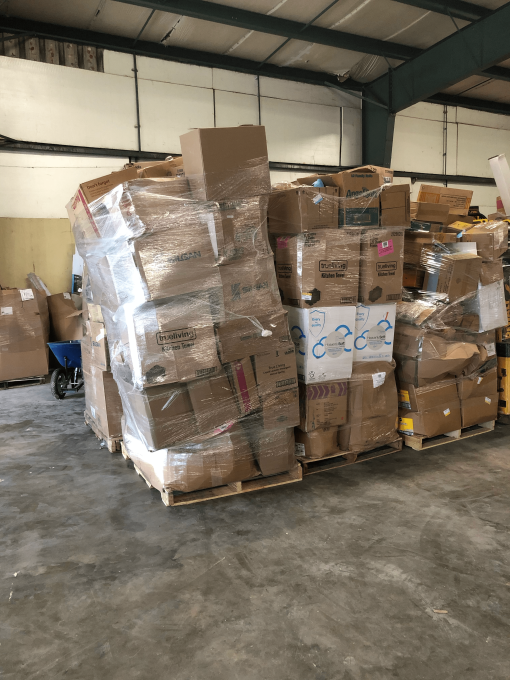
When you’re in the market for wholesale liquidation pallets shoe pallets, it’s crucial to approach the process with a critical eye. You’ll likely come across numerous online listings that seem too good to be true, but trust your instincts – if the prices are suspiciously low or the descriptions are vague, it’s best to steer clear. Instead, focus on finding reputable suppliers through legitimate channels, and don’t be afraid to dig deeper into their business practices and product sourcing. By doing your due diligence, you’ll be better equipped to make a smart purchase and avoid costly mistakes – but where do you start, and what else should you be looking out for?
Researching Legitimate Liquidation Sources
One crucial step in buying liquidation shoe pallets is identifying trustworthy suppliers.
You’ll want to find suppliers who are transparent about their business practices, have a proven track record, and can provide you with high-quality products.
Start by researching online marketplaces, wholesale directories, and industry associations that connect buyers with liquidation suppliers.
Look for suppliers who are members of reputable industry associations, such as the National Association of Wholesaler-Distributors or the International Association of Wholesale Distributors.
You should also check online reviews, testimonials, and ratings from other customers who’ve purchased liquidation shoe pallets from these suppliers.
This will give you an idea of their reputation and the quality of their products.
Additionally, reach out to potential suppliers directly and ask them about their business practices, product sourcing, and return policies.
Identifying Red Flags in Listings
You’ve narrowed down your list of potential suppliers, but now it’s time to scrutinize their listings for red flags.
Be cautious of listings with low prices that seem too good to be true – they probably are. If the prices are significantly lower than what you’ve seen elsewhere, it may indicate that the products are counterfeit, used, or damaged.
Also, be wary of listings with vague or missing product descriptions, as this could be a sign of dishonesty.
Check for inconsistencies in the listing, such as mismatched product images or contradictory information.
If the supplier is evasive or unresponsive to your questions, it’s a major red flag.
Look for reviews and ratings from other customers, but keep in mind that fake reviews are common. Be suspicious of listings with only positive reviews or reviews that seem fake.
Verifying Product Authenticity
Several dozen pairs of shoes on a pallet may seem like a great deal, but it’s crucial to verify their authenticity before making a purchase.
You can’t assume the shoes are genuine just because they’re packed on a pallet or come with a low price tag. Counterfeiters are getting better at replicating products, making it harder to distinguish fakes from the real deal.
To verify authenticity, start by inspecting the shoes themselves. Check for misspelled labels, poor stitching, or low-quality materials.
Compare the shoes to authentic products online or in-store to spot any discrepancies. You should also research the seller and read reviews from other customers. Be wary of sellers with low ratings or few reviews.
Additionally, look for certifications like ISO 9001 or ISO 27001, which indicate a seller’s commitment to quality and authenticity. Finally, ask the seller about their return and refund policies in case you receive counterfeit products.
Understanding Liquidation Pallet Contents
Verifying product authenticity is just the beginning. Now, you need to understand what you’re getting in that pallet.
Liquidation pallets often contain a mix of products, and it’s crucial to know what you’re buying. You’ll typically find a combination of new, used, or refurbished shoes, as well as varying quantities of each style, size, and color.
Some pallets might contain only one brand or style, while others may have a random assortment.
You should also expect varying conditions, from brand-new shoes with tags to used ones with cosmetic damage.
Be prepared to find defects, such as broken heels or torn uppers. It’s essential to factor these variables into your pricing and resale strategy. Don’t assume you’ll get only high-quality shoes; be realistic about the possibilities.
Understanding the contents of your pallet will help you set accurate prices, manage customer expectations, and avoid costly mistakes. Take the time to review the pallet’s contents and ask questions before making a purchase.
Negotiating With Reputable Sellers
When purchasing liquidation shoe pallets, your seller’s reputation is everything. You want to work with someone who’s transparent, reliable, and willing to negotiate a fair deal.
Once you’ve found a reputable seller, it’s time to talk numbers. Before making an offer, research the market value of the shoes and the pallet’s contents. This will give you a solid basis for your negotiation.
Be respectful and professional in your approach. You can start with a polite phone call or email, expressing your interest in the pallet and asking about the price.
Don’t be afraid to ask questions about the condition, authenticity, and any defects. If you’re not happy with the initial price, explain your concerns and make a reasonable offer. A reputable seller will be open to negotiation and willing to work with you to find a mutually beneficial agreement.
Conclusion
You’ve done your research, inspected the shoes, and negotiated a fair price. Now, it’s time to seal the deal. Remember, buying liquidation shoe pallets requires caution and diligence. By being aware of potential scams and taking steps to ensure authenticity, you can make a profitable purchase. Stay vigilant, and don’t be afraid to walk away if something feels off. With persistence and patience, you’ll find a reliable supplier and score a great deal on liquidation shoe pallets.

Leave a Reply