

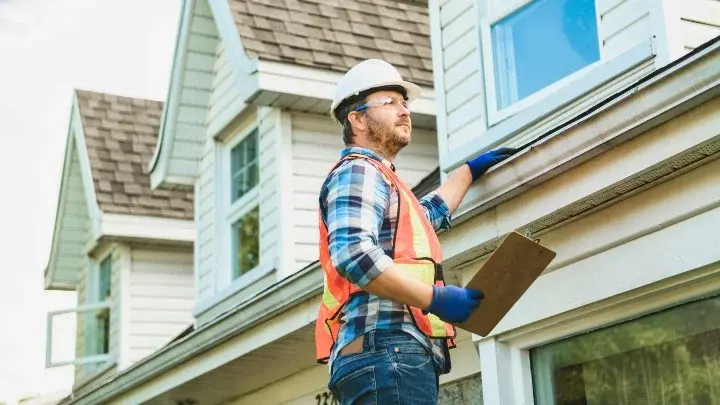
As you prepare to buy a home, it’s crucial to find a reliable home inspector who can identify potential issues and give you a clear picture of the property’s condition. You’re not just looking for anyone with a flashlight and a clipboard; you need a professional who can provide a thorough and accurate assessment. But with so many inspectors out there, how do you choose the right one? You’ll want to start by doing your due diligence, researching inspectors’ qualifications, and checking their reputation. But that’s just the beginning – there are several essential factors to consider before making your decision.
Research and Qualifications Matter
Your home inspection is a critical step in the buying process, and it’s crucial to get it right.
You’ll want to find an inspector who’s knowledgeable about the local market and has experience with homes similar to yours.
Researching an inspector’s qualifications is essential.
You can start by asking friends, family, or your real estate agent for recommendations.
Check online review sites, like Yelp or Google, to see what past clients have to say about the inspector’s services.
Look for inspectors who belong to professional associations, like the American Society of Home Inspectors (ASHI) or the International Association of Certified Home Inspection s (InterNACHI).
These organizations have strict standards and codes of ethics that their members must follow.
You’ll also want to find out what kind of training and continuing education the inspector has received.
Check Licenses and Certifications
Verify that your home inspector holds the necessary licenses and certifications for your state and region. This is crucial because licensing requirements vary by state, and some states don’t require licensing at all.
You can check with your state’s licensing board or department of consumer affairs to find out what’s required. Additionally, look for certifications from reputable organizations like the American Society of Home Inspectors (ASHI) or the International Association of Certified Home Inspectors (InterNACHI). These certifications indicate that the inspector has completed a certain number of training hours and has passed a rigorous exam.
You should also check if your inspector has any specialized certifications, such as for septic systems, wells, or energy efficiency. Make sure their licenses and certifications are up to date, as this ensures they’re aware of the latest industry standards and best practices.
Don’t be afraid to ask for proof of licenses and certifications – a reputable inspector will be happy to provide them. By doing your due diligence, you’ll be confident that your inspector is qualified to identify potential issues in your dream home.
Review Inspection Reports and Samples
As you narrow down your list of potential home inspectors, reviewing their inspection reports and samples is crucial to understanding their work quality and style.
You want to see how they present their findings, what kind of details they include, and how easy their reports are to understand.
Request sample reports from each inspector and take the time to thoroughly review them.
Look for reports that are well-organized, clearly written, and provide comprehensive information about the property’s condition.
Pay attention to the level of detail provided, the quality of the photos, and whether the report includes recommendations for repairs or further evaluation.
You should also check if the reports include summaries or executive summaries that highlight the most critical issues.
A good inspector will provide a report that’s easy to navigate, even for someone without a technical background.
By reviewing inspection reports and samples, you’ll get a sense of the inspector’s work ethic, attention to detail, and ability to communicate complex information effectively.
This will help you make an informed decision when selecting the right home inspector for your needs.
Ask About Experience and Specialties
A seasoned home inspector’s resume is like a treasure trove of valuable experience and specialized skills.
You want to tap into that treasure trove to ensure you’re hiring the right person for the job. So, ask about their experience – how many inspections have they conducted, and what types of properties do they typically inspect?
Are they familiar with homes similar to yours, whether that’s a condo, single-family residence, or historic property?
Also, inquire about their specialties. Do they’ve certifications in areas like mold testing, septic system inspections, or energy efficiency assessments?
Are they experienced in inspecting specific systems, such as HVAC or plumbing? Some inspectors may have expertise in areas like new construction, renovation projects, or commercial properties.
Knowing their strengths and specialties will help you determine if they’re the best fit for your unique needs. By asking about experience and specialties, you’ll get a better sense of the inspector’s capabilities and confidence in their work.
Verify Insurance and Bonding Status
Verify Insurance and Bonding Status
Many home inspectors carry insurance and bonding to protect you and themselves in case something goes wrong during the inspection process.
You’ll want to verify that your potential inspector has these safeguards in place. Errors and Omissions (E&O) insurance, also known as Professional Liability insurance, covers the inspector in case they miss something significant during the inspection.
General Liability insurance, on the other hand, protects you and the inspector in case of accidents or property damage during the inspection.
Bonding provides an added layer of protection, ensuring that you’ll be reimbursed if the inspector doesn’t fulfill their obligations.
Make sure to ask about the types and limits of insurance coverage, as well as the bonding amount.
You can also ask to see proof of insurance and bonding, or check with the state licensing board to confirm.
Conclusion
You’ve done your research, checked qualifications, and reviewed reports. Now, you’re ready to choose a home inspector who’s right for you. Remember, a good inspector can save you from costly surprises down the road. Take your time, ask questions, and don’t settle for anything less than the best. With these tips, you’ll be well on your way to finding a reliable inspector who’ll give you the honest assessment you need to make an informed decision.

Leave a Reply