

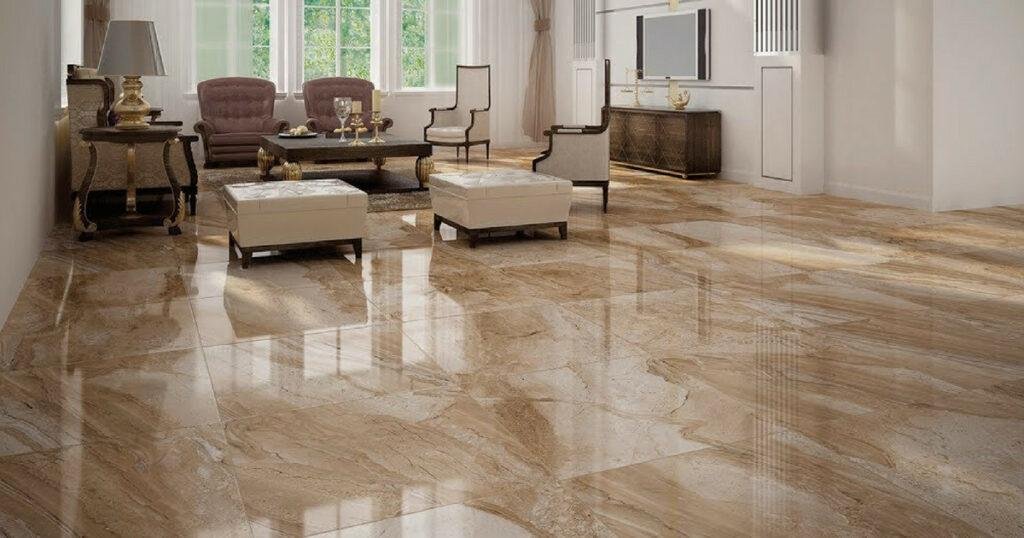
In recent years, modern tile solutions have evolved from being a mere functional element to a core design component in contemporary living spaces. Today, homeowners and interior designers alike recognize tiles not only for their durability and practicality but also for their ability to transform the aesthetic and atmosphere of a home. From kitchens to bathrooms, living rooms to outdoor patios, modern tiles offer versatility, style, and functionality that complement contemporary lifestyles.
The Rise of Modern Tile in Contemporary Design
Modern living prioritizes minimalism, functionality, and clean aesthetics. As a result, traditional flooring materials like carpet and hardwood have begun to share space with innovative tile solutions. Tiles now offer a perfect combination of form and function, capable of withstanding high traffic, resisting moisture, and requiring minimal maintenance while offering unlimited design possibilities.
With advancements in manufacturing, modern tiles come in various materials including porcelain, ceramic, natural stone, and even glass and metal-infused composites. Each material offers distinct advantages, whether it’s the robustness of porcelain for high-traffic areas or the luxurious finish of marble for sophisticated interiors.
Types of Modern Tiles for Contemporary Homes
1. Porcelain Tiles
Porcelain tiles have become a staple in contemporary living spaces due to their strength, water resistance, and aesthetic versatility. They are ideal for both floors and walls and are available in a range of finishes, from matte to polished, and even textured surfaces that mimic natural materials like wood and stone.
2. Ceramic Tiles
Ceramic tiles remain a popular choice for modern interiors. They are cost-effective, easy to maintain, and come in countless colors, patterns, and sizes. Their versatility makes them suitable for kitchen backsplashes, bathrooms, and accent walls, providing contemporary flair without compromising on functionality.
3. Natural Stone Tiles
Natural stone tiles such as marble, slate, and travertine bring an organic elegance to contemporary homes. Each piece is unique, adding texture and character to spaces. Modern cutting and finishing techniques allow designers to use stone tiles in sleek, minimalistic ways, perfectly aligning with contemporary aesthetics.
4. Large Format Tiles
Large format tiles are a defining trend in modern tile design. With fewer grout lines, these tiles create a seamless, expansive feel that enhances the perception of space in smaller rooms. They are particularly effective in open-plan living areas and modern bathrooms, offering a clean and uninterrupted visual flow.
5. Patterned and Textured Tiles
While minimalism dominates contemporary interiors, there is also a growing appreciation for statement pieces. Patterned and textured tiles can add depth, personality, and an artistic touch. Geometric patterns, 3D textures, and metallic finishes can be incorporated as feature walls or flooring accents, balancing simplicity with sophistication.
Modern Tile Solutions for Specific Spaces
Kitchens
In the kitchen, modern tiles are both practical and stylish. High-traffic areas, spills, and moisture make durability a priority. Porcelain and ceramic tiles are ideal for flooring, while glass, metal, or patterned tiles can serve as eye-catching backsplashes. Tiles with easy-to-clean surfaces and non-porous properties ensure that modern kitchens remain both functional and beautiful.
Bathrooms
Bathrooms benefit significantly from modern tile solutions. Waterproof materials like porcelain, ceramic, and natural stone provide longevity and ease of maintenance. Designers now combine different tile sizes, textures, and colors to create spa-like environments. Large-format tiles on floors and walls reduce grout lines, creating a sleek and contemporary atmosphere. Mosaic tiles can be used as accents in showers or around vanities to inject visual interest.
Living Rooms and Common Areas
In living rooms, tiles are not just practical but a design statement. Wood-look porcelain tiles, stone-inspired textures, or polished concrete finishes can mimic natural materials while providing durability and easy maintenance. Tiles can also define zones within open-plan living spaces, enhancing the sense of structure while maintaining continuity in style.
Outdoor Spaces
Modern tile solutions extend beyond interiors. Porcelain, natural stone, and slip-resistant ceramic tiles are increasingly popular for patios, terraces, and pool surrounds. They offer durability against weather elements while maintaining aesthetic appeal. Large-format tiles with a matte finish are particularly favored for outdoor contemporary designs.
Sustainable and Smart Tile Options
Sustainability is a key concern in contemporary living, and modern tile manufacturers are responding with eco-friendly solutions. Many tiles are now made from recycled materials or produced using low-impact processes. Energy-efficient tiles, such as those with reflective surfaces, can help regulate indoor temperatures and reduce energy consumption. Additionally, smart tiles with integrated LED lighting or heating elements are redefining luxury in contemporary homes.
Tips for Incorporating Modern Tiles
-
Consider Scale and Proportion – Large-format tiles work best in spacious areas, while smaller tiles can be used for intricate patterns or focal points.
-
Mix and Match Textures – Combining matte, polished, and textured finishes can add depth and visual interest without overwhelming the space.
-
Neutral Colors for Timeless Elegance – Shades of white, gray, and beige are popular in contemporary design, allowing furniture and accessories to shine.
-
Bold Accents for Personality – Use patterned tiles sparingly to create focal walls or flooring features that add character.
-
Consistency Across Spaces – To create a cohesive look in modern homes, consider using the same tile material or color palette across multiple areas.
Advantages of Modern Tile Solutions
-
Durability: Resistant to wear, water, and stains, making them suitable for high-traffic areas.
-
Low Maintenance: Easy to clean and maintain, often requiring only basic sweeping and mopping.
-
Design Flexibility: Available in various materials, sizes, colors, and patterns to suit any design vision.
-
Hygienic: Non-porous tiles prevent bacteria growth, ideal for kitchens and bathrooms.
-
Eco-Friendly Options: Many modern tiles are manufactured with sustainable practices or recycled content.
Conclusion
Modern tile solutions have transformed the way we approach contemporary living spaces. Beyond their functional benefits, tiles now play a central role in interior design, enabling homeowners and designers to craft environments that are stylish, practical, and enduring. From minimalist large-format floors to intricate patterned walls, the possibilities are nearly limitless. As technology, sustainability, and creativity continue to shape the tile industry, modern tile are set to remain an essential element in contemporary homes, offering both beauty and practicality for years to come.


Leave a Reply