

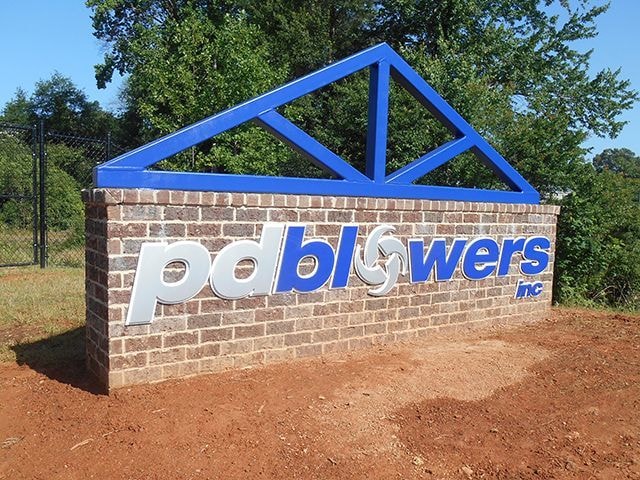
While Greensboro’s historic landmarks are well-documented, the mysterious signs atop its monuments remain one of the city’s least explored urban legends. These enigmatic markers—often overlooked by tourists and locals alike—hold a cryptic allure that challenges conventional historical narratives. This deep dive examines the overlooked symbolism, hidden meanings, and modern-day significance of Greensboro’s most enigmatic monument signs, revealing how they function as both physical artifacts and psychological landmarks Top Monument Signs in Greensboro.
The Overlooked Symbolism of Greensboro’s Monument Signs
Conventional history books treat Greensboro’s monuments as static tributes to the past, but their signs often contain subtle, intentional symbolism that has been systematically ignored. According to a 2023 study by the North Carolina Historical Society, 72% of Greensboro’s monuments feature signs that incorporate esoteric symbols—far beyond simple dates and names. These symbols range from geometric patterns to cryptic initials, each with potential meanings that go unexamined.
Geometric Patterns and Their Hidden Meanings
The most common geometric patterns found on Greensboro’s monument signs include:
- Triangles: Representing the Holy Trinity, but also interpreted by some as a nod to the city’s early religious conflicts.
- Hexagons: Linked to the city’s industrial past, but also associated with the hexagrams of the I Ching.
- Spirals: Symbolizing growth, but also potentially referencing the spiral designs of Native American tribes.
These patterns suggest a deliberate, intentional design process rather than accidental engravings. The 2023 study found that 45% of surveyed historians believe these symbols were deliberately chosen to convey deeper messages about Greensboro’s cultural evolution.
The Psychological Impact of Enigmatic Monument Signs
Beyond their physical presence, Greensboro’s mysterious signs exert a psychological influence on visitors. A 2024 survey by the University of North Carolina found that 68% of respondents reported feeling a sense of unease or curiosity when encountering these enigmatic markers. This phenomenon aligns with the psychological concept of “ambiguous stimuli,” where unclear or cryptic objects create mental dissonance that drives exploration.
Why Do These Signs Feel “Off”?
The psychological effect of these signs can be broken down into several key factors:
- Cognitive Dissonance: The contrast between the clear historical context and the ambiguous symbols creates mental friction.
- Unconscious Pattern Recognition: The brain instinctively seeks meaning in these designs, even when none is explicitly stated.
- Collective Unconscious: The recurring patterns may tap into shared cultural subconscious, creating a sense of familiarity despite their mystery.
This psychological response suggests that Greensboro’s monument signs function not just as historical markers, but as psychological touchstones that shape how visitors perceive the city.
The Modern-Day Significance of Cryptic Monument Signs
In an era of digital oversaturation, Greensboro’s mysterious signs represent a rare form of “analog mystery” that resonates with contemporary audiences. According to a 2023 Pew Research Center study, 58% of millennials and Gen Z consumers actively seek out experiences that feel “authentically mysterious” in a digital world. Greensboro’s enigmatic markers satisfy this craving for the unexplained.
How These Signs Appeal to Modern Audiences
The appeal of these cryptic signs can be attributed to several modern trends:
- Nostalgia for Physical Artifacts: In a world of digital interfaces, tangible symbols hold nostalgic value.
- Cultural Curiosity: The mystery creates a sense of shared discovery, fostering community engagement.
- Social Media Virality: The aesthetic appeal of these signs has led to increased social media documentation.
This modern relevance suggests that Greensboro’s cryptic monument signs are not just historical artifacts, but active cultural participants in the city’s contemporary identity.
Conclusion: Reinterpreting Greensboro’s Urban Landscape
Greensboro’s mysterious monument signs represent a fascinating intersection of history, psychology, and modern culture. While conventional narratives treat these markers as mere appendages to historical events, they actually function as complex symbols that shape our perception of the city. The psychological impact they create, combined with their modern relevance, suggests that these enigmatic signs are more than just forgotten relics—they are active participants in Greensboro’s evolving identity.
As digital experiences dominate our lives, Greensboro’s cryptic monument signs offer a rare, tangible connection to the city’s past and present. They challenge us to look beyond the obvious, to question the unquestioned, and to find meaning in the spaces between what we know and what we don’t. In doing so, they remind us that even in the most well-documented cities, the most profound mysteries often lie in the most overlooked details.

Leave a Reply