

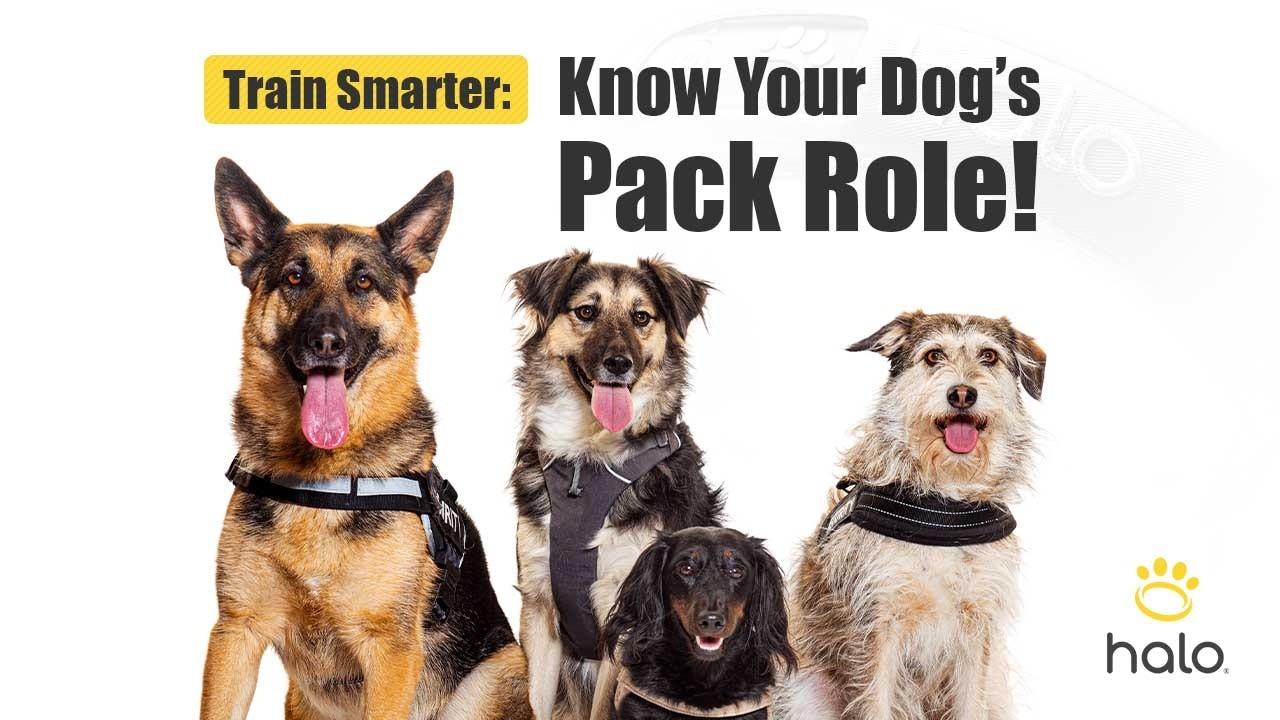
You’ve likely base yourself curious why your furry admirer behaves in certain ways- why they furrow squirrels, bark at strangers, or snuggle up next to you on the redact. The Truth is, your dog’s actions are vegetable in a complex mix of instinct, socialization, and . By sympathy these factors, you’ll gain insight into what drives their demeanor and strengthen your bond with them. But the question corpse: what exactly is behind those adorable, sometimes incomprehensible, behaviors? As you research the intricacies of dogtooth deportment, you’ll uncover the astonishing reasons why your dog acts the way they do.
Unpacking Canine Communication Methods
When you observe your dog, you might mark that it’s constantly sending and receiving signals, even when it’s not barking or noisy.
These perceptive cues are a material part of cuspid communication, and they can unwrap a lot about your Dog training emotions, needs, and intentions. Body nomenclature is a considerable vista of this communication method.
You’ll mark your dog’s posture, nervus facialis expressions, and ear put on all convey different messages. A relaxed dog will have a unleash, open pose, while a tense up dog will be remains and pack.
Facial expressions can also indicate emotions, such as a lax face with a somewhat open talk or a tense up face with a unsympathetic speak.
Even the way your dog moves its ears can signalise its mood, with ears up indicating confidence and ears back indicating fear or anxiousness.
Instinctual Behaviors in Modern Life
Your dog’s natural instincts, honed over thousands of years, still shape its demeanor in Bodoni font life.
These instincts were material for natural selection in the wild, and although your dog doesn’t need them to hunt for food or avoid predators, they still drive many of its actions.
For example, your dog’s prey might cause it to chase squirrels or other moderate animals, even if it’s well-fed and has no intention of feeding them.
Similarly, its herding inherent aptitude might lead it to round up children or other pets, even if it’s never been trained to do so.
You might mark your dog exhibiting stalk behaviour, such as unerect low to the run aground or freezing in aim, when it floater a potency”prey” like a bird or toy.
This is a natural response, remnant from its wild ancestors.
Your dog’s instinctual behaviors can also regulate its play title, with activities like chasing, herding, and dig being rooted in ancient natural selection instincts.
Socialization and Environmental Factors
A dog’s environment and mixer interactions play a substantial role in shaping its conduct, often overriding or complementing its natural instincts.
As you interact with your dog, you’re influencing its deportment, whether intentionally or not. Socialization, in particular, has a profound touch on on your dog’s confidence and ability to interact with others.
If you divulge your dog to various environments, people, and experiences from an early age, it’ll be more likely to conform and react positively to new situations. On the other hand, limited socialisation can lead to fear and hostility.
Your dog’s also affects its demeanor. For instance, a dog sustenance in a modest flat may develop anxiousness or devastating habits due to lack of exercise and unhealthy input.
Conversely, a dog with get at to open spaces and engaging activities will be more lax and focused. By recognizing the impact of socialisation and state of affairs factors, you can take steps to create a nurturing that fosters good demeanour and a strong bond between you and your dog.
Emotional Intelligence in Dogs
As you delve deeper into understanding your dog’s deportment, it becomes ostensible that emotional word plays a considerable role in shaping its actions and reactions.
Dogs are highly adjusted to their man companions’ emotions, and they’ve improved strategies to respond accordingly. They can pick up on subtle cues like body language, tone of vocalize, and scent to sense how you’re tactile sensation.
This emotional awareness allows them to correct their conduct to supply soothe, support, or even outstrip themselves when required.
You may have noticed your dog’s ability to empathise with you when you’re swage or frantic. They might nuzzle you, whine, or even try to lick away your tears.
This emotional tidings is rooted in their evolution as social animals, where they’d to rely on their pack members for survival of the fittest. By being tuned to each other’s emotions, dogs could better navigate their sociable power structure and respond to potentiality threats.
As you interact with your dog, think of that they’re not just reacting to your,nds, but also to your feeling state.
Breed-Specific Traits and Quirks
While dogs partake in a universal proposition terminology, their multiply-specific traits and quirks can significantly mold their demeanour and interactions with you.
As you get to know your dog, you’ll notice certain characteristics that are unique to their breed or breed group. For example, herding breeds like Border Collies and German Shepherds have an naive inherent aptitude to furrow and gather, which can certify in their daily conduct.
They might try to herd children, other pets, or even cars. On the other hand, trace breeds like Basset Hounds and Beagles are bred for tracking and following scents, which can make them unerect to wandering off if they catch a sniff of something gripping.
Understanding your dog’s breed-specific traits can help you tailor your preparation and interactions to their needs. By acknowledging and workings with these quirks, you can establish a stronger bond with your dog and create a more harmonious house.
For instance, providing your herding multiply with plenitude of exercise and mental input can airt their vim and reduce undesirable behaviors. By recognizing and embracing your dog’s unusual characteristics, you can become a more effective and pity owner.
Conclusion
You now have a deeper understanding of why your dog acts the way they do. By recognizing their communication methods, instinctual behaviors, and socialization, you can better appreciate their motivations. You’ve nonheritable how environmental factors and multiply-specific traits shape their actions. Use this knowledge to establish a stronger bond with your dog, and remember, every demeanor is a clue to what’s going on in their mind.

Leave a Reply